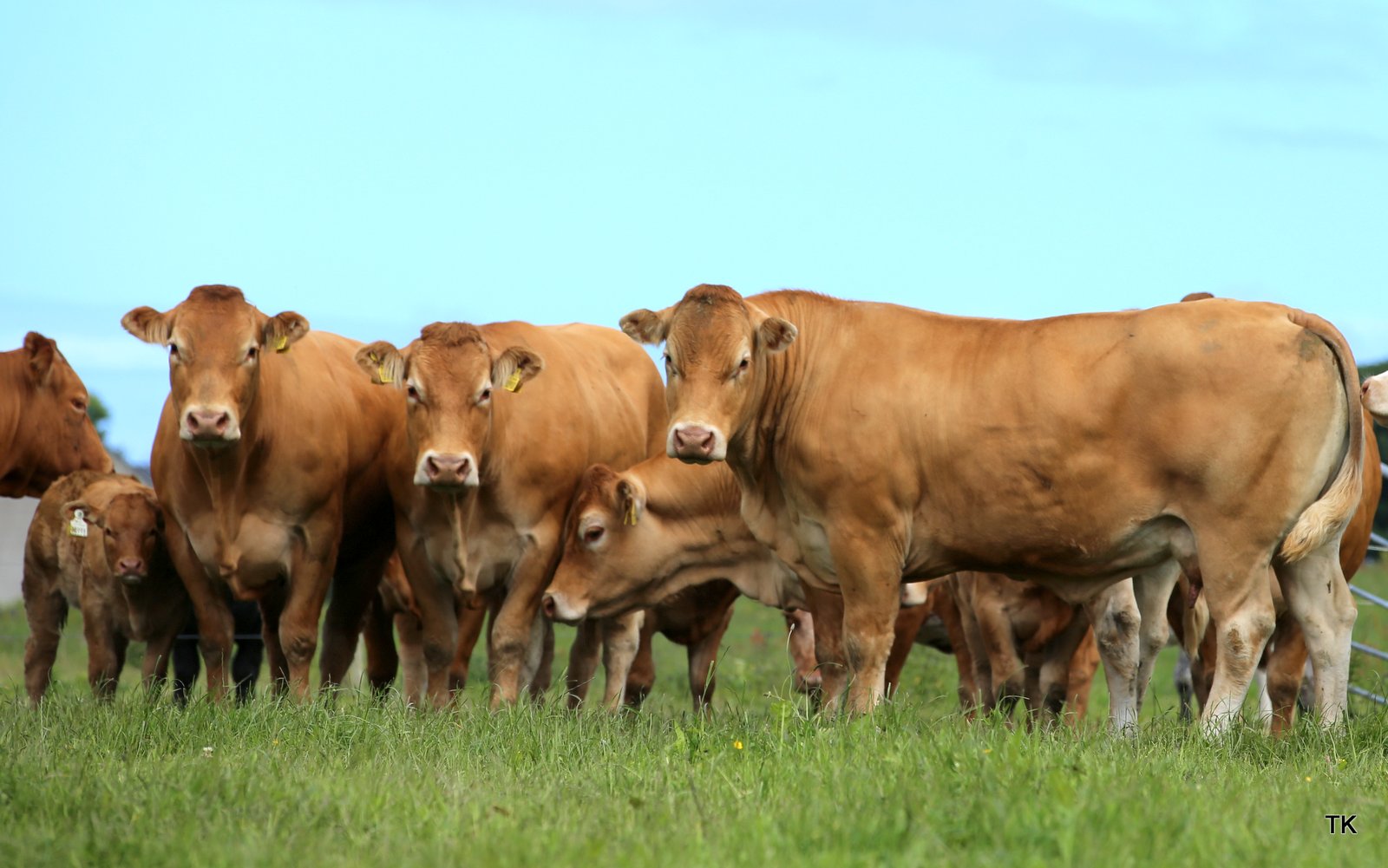
One of the notable trends at recent Limousin Society sales is the increasing number of dairy farmers purchasing Limousin bulls. This shift is being driven by several key factors:
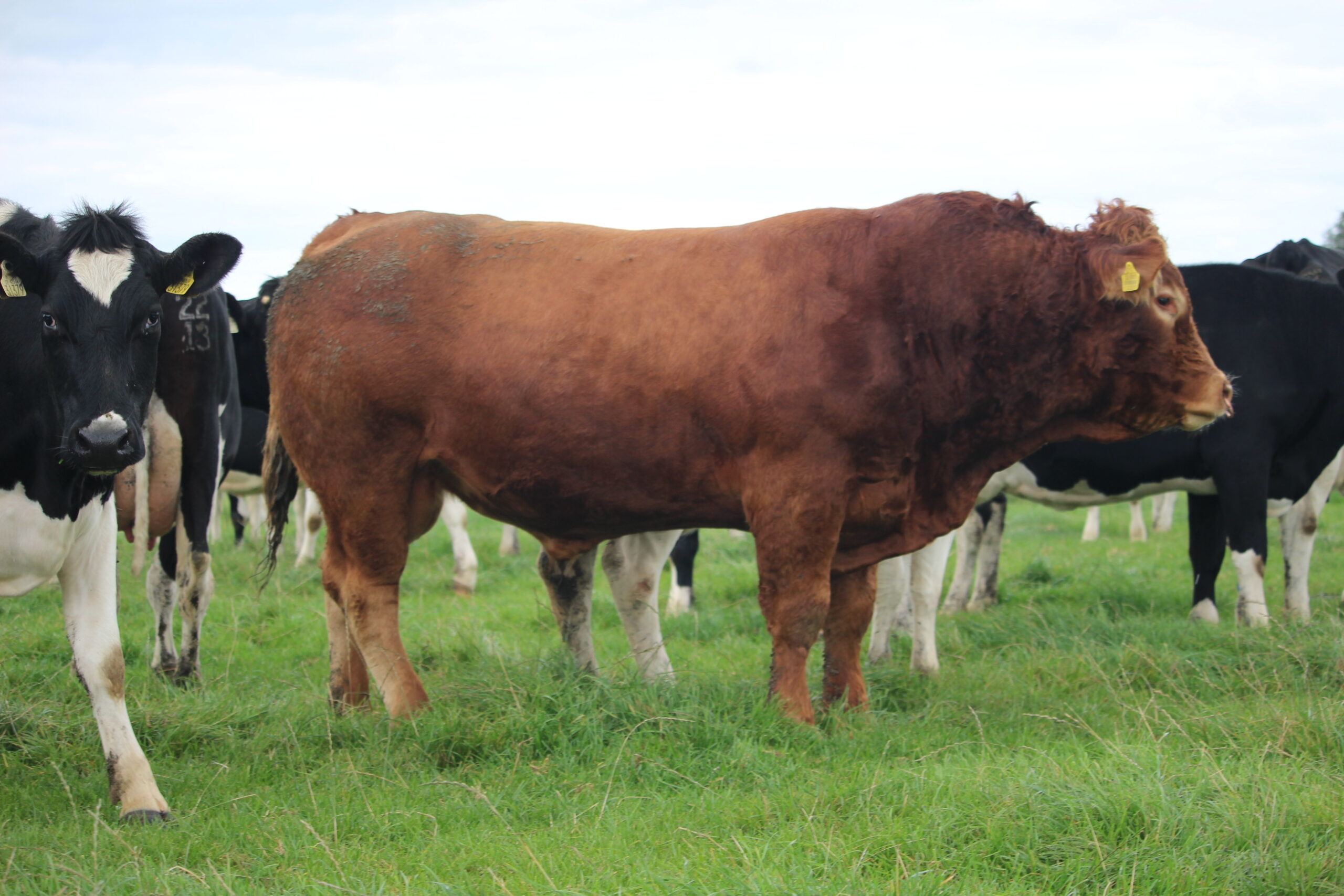
- The rising value of the dairy cross calf: Traditionally, milk was the primary product and the calf a by-product. That is no longer the case. It is now common for Limousin × Friesian calves to achieve prices of over €1,000. See an example of LM X FR calf selling recently in Castleisland Mart for €1100, (tap unmute button for sound) or check out the video at the end of this piece to see this bull calf and two heifer calves in the sales ring.
- Falling milk prices: With pressure on milk margins, producing a more valuable calf has become an important way to maintain overall farm profitability.
- Shorter gestation bulls: Many Limousin bulls now offer gestation lengths comparable to native breeds, making them more suitable for dairy systems.
A dairy farmer with first-hand experience of the benefits of using Limousin bulls is Albert Stanley, from Glashare, Johnstown, Co. Kilkenny. Albert runs a 260-acre dairy and suckler enterprise alongside his wife Mary and son Mark.
We have 60 British Friesian cows and 80 sucklers. We keep all the calves and finish the bulls for slaughter under two years of age, straight out of the sheds. Our feeding system is mainly based on silage, beet, barley and maize meal, using a diet feeder.
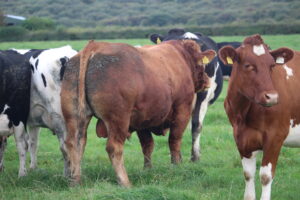 Albert purchased two Limousin bulls at the Premier Sale in Roscrea May 2024.
We had a Charolais bull before switching to Limousin some time ago. We found the Charolais harder calved, and the calves were slower to get going and needed more attention. When buying bulls, I don’t focus too much on figures apart from calving ease—I select mainly on physical appearance. Gestation length isn’t an issue for us; we simply let the bull run with the cows earlier. Friesian cows are well capable of calving Limousin-sired calves. We also choose bulls that are suitable for both the dairy and suckler herds.
In the Premier sale in Roscrea in May 2024, Albert purchased a Plumtree Fantastic son out of a Bavardage cow and an Ewdenvale Ivor son out of a Dromanig Ian cow. Both bulls had a calving ease figure below the breed average on the day.
The Stanleys retain some heifers as replacements and finish others. Spring-born heifers typically calve at two and a half years of age.
Calving at two and a half gives the heifer more time to mature into a stronger, more productive cow.
Finished cattle are primarily sent to ABP Food Group in Cahir and Dawn Meats in Kilbeggan. Carcasses generally achieve R and U grades, from both dairy and suckler stock, with typical dead weights ranging from 440kg to 460kg.
The majority of Albert’s suckler herd is Limousin.
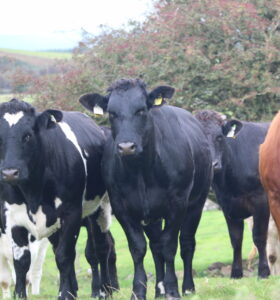
My preference for Limousin cows comes down to their wider pelvis and calving ability. They are good mothers and consistently produce high-quality, saleable stock. I don’t want replacement heifers to be over-muscled—I find an R or good O grade to make an ideal cow.
Given the prices of LM X FR offspring, Albert may be in the market for another Limousin bull at the upcoming Society sales: Roscrea on Sat. April 25th or the final spring 2026 sale in Roscommon on Sat. May 23rd.